
A coffee with Diewertje Vlamings
Welcome to the Lepelclub Journal! To begin, who is Diewertje?
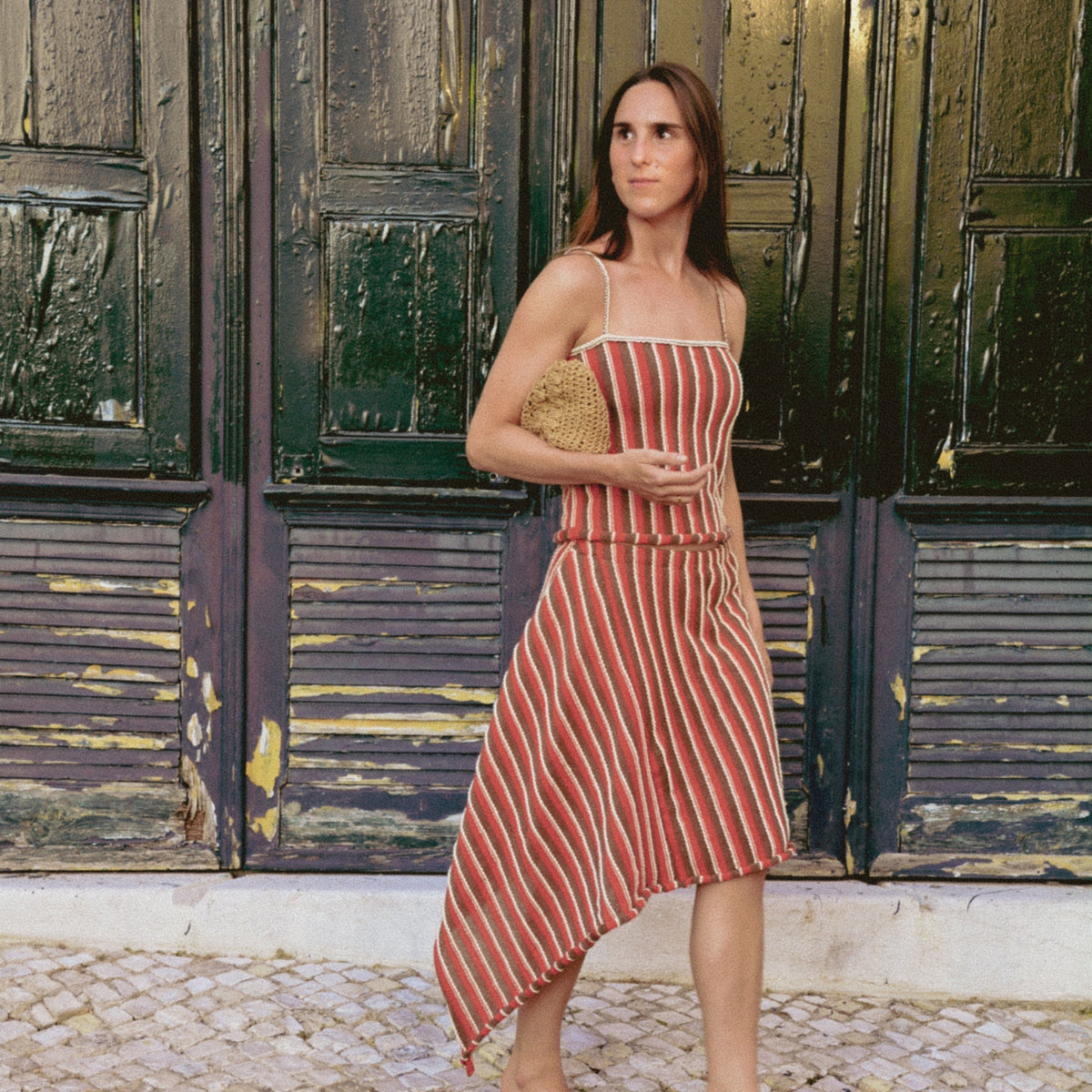
I’m Diewertje, a knitwear and fashion designer and the founder of Studio Vlamings. I’m based in Amsterdam and have always been someone who feels happiest when I’m creating. I love working with my hands, experimenting with colour and materials, taking photographs, and turning an idea into wearable art. I can be very detail-oriented, especially when I’m designing, but I also really enjoy spontaneity and the unexpected that happens during the creative process. Studio Vlamings is a reflection of the combination: craftsmanship, sustainability, colour and a playful way of looking at the world.
You grew up with a love for creativity and eventually found your way into textile and knitwear design. What did that journey look like for you?
Creativity has always felt very natural to me. I grew up in an artists family, where my grandfather and father were always painting and creating, and I was always finding ways to express ideas visually, by painting, drawing and designing. Later, during my studies, I became increasingly interested in textile and started experimenting with different materials and techniques. Knitting was the technique I kept coming back to. There is something special about starting with only a thread and building the textile, texture and shape yourself from the very beginning. With knitwear, you are not simply designing a garment; you are essentially developing the material and the garment simultaneously. That process gives you so much freedom to experiment. Over time, I realised that this slower and very hands-on way of working suited me perfectly. What started as curiosity gradually became my design language and eventually formed the foundation of Studio Vlamings.
VLAMINGS brings together knitwear, craftsmanship and sustainability. What sparked the idea to start your own label?
Studio Vlamings really started from the desire to create fashion in a way that felt natural and meaningful to me. I have always loved the process behind a garment just as much as the final piece: choosing the yarn, developing the textile, experimenting with colour and structure, and slowly seeing something take shape. I wanted that process to remain visible and valuable rather than disappear behind mass production. Starting my own brand gave me the freedom to build a different way of working around that philosophy. Each garment is handmade to order, which allows us to produce only what is actually needed and to give every piece the attention it deserves. Sustainability therefore isn’t something added to the brand afterwards. It is embedded in the way we design, produce and think about clothing from the very beginning.
Your designs are full of colour, texture and playful details. Where do you usually find inspiration when creating something new?
Inspiration can really come from anywhere. I’m very visually oriented, so I constantly notice colour combinations, textures, shapes and small details around me. It might be a painting, an interior, something in nature, photography, a vintage garment or simply two colours appearing next to each other in an unexpected way. Amsterdam itself is also a great source of inspiration because there is always so much happening visually around you. When I start designing, I rarely begin with a fully formed idea of a garment. More often, it starts with a yarn, a certain colour combination or a texture I want to explore. I begin sampling and experimenting and then allow the material to shape around the body. That is one of the things I love most about knitwear: sometimes the best ideas come from something you never intended to create.
What’s something you’re currently obsessed with? We may or may not already know one thing that belongs on that list…
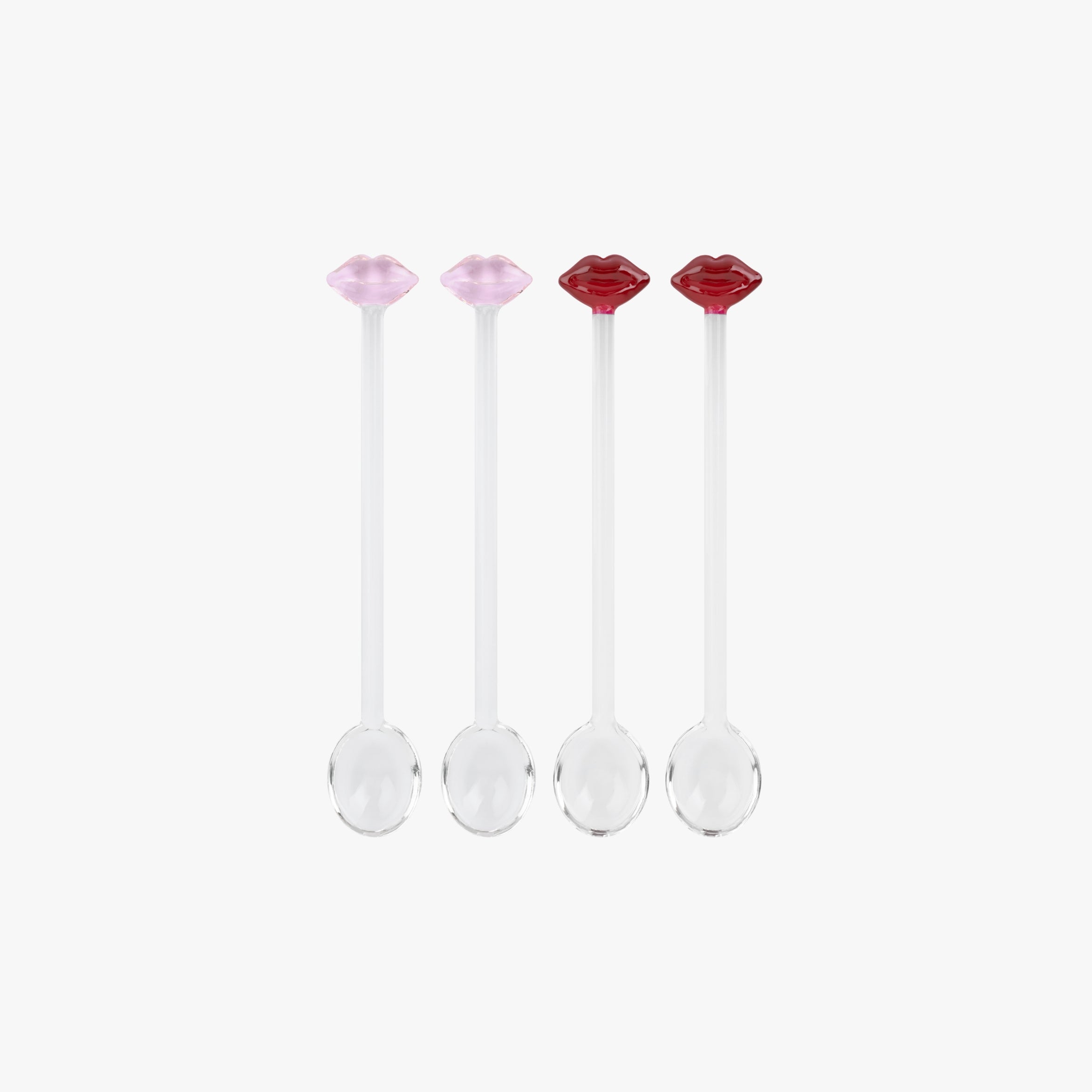
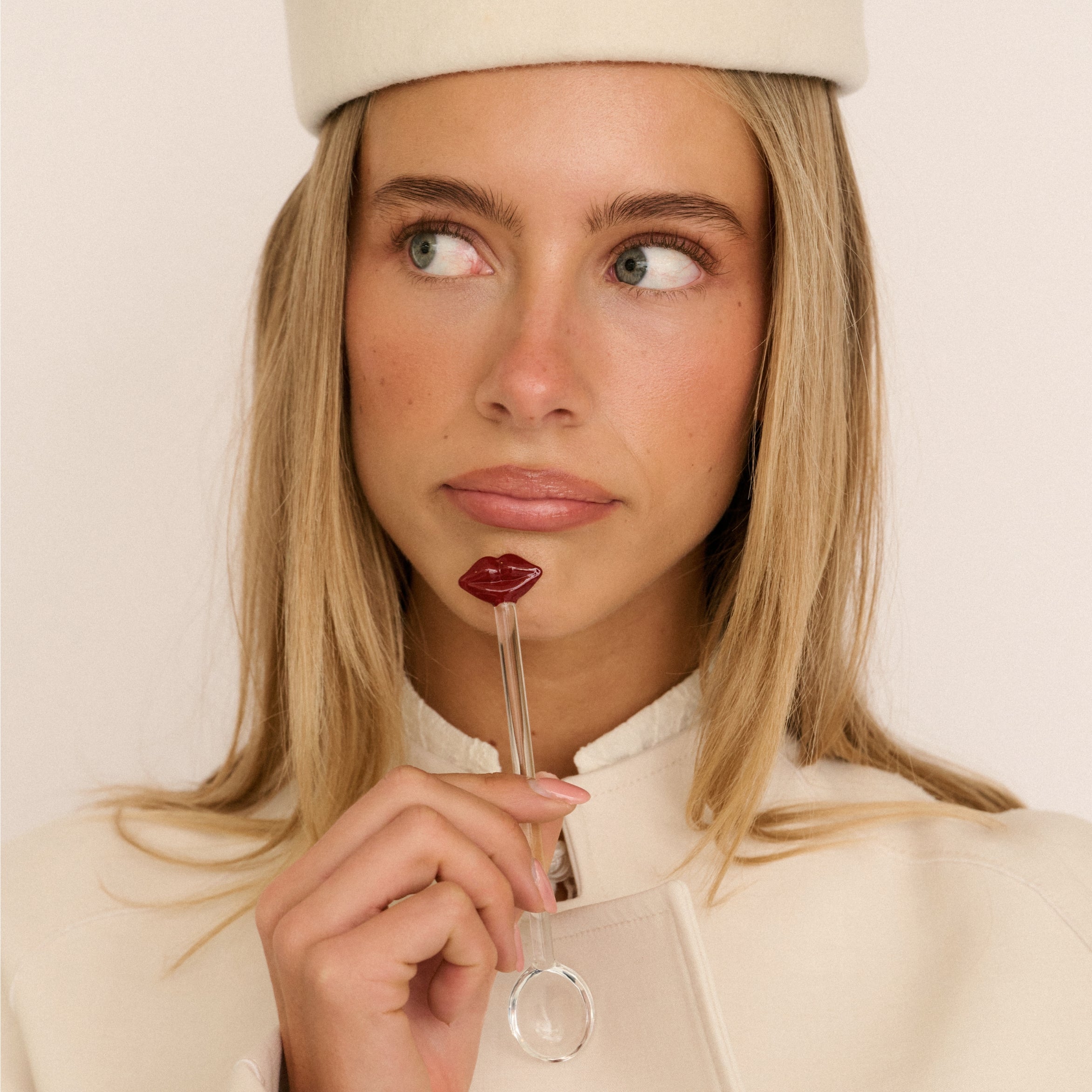
Colour combinations are probably a permanent obsession. I can spend far too long comparing almost identical shades or thinking about why one particular green suddenly works perfectly next to a blue or cream. I’m also very interested in photography at the moment, especially capturing everyday moments in a way that makes them feel slightly more special. And, of course, coffee rituals definitely fall into that category too. I really enjoy those small moments during the day where everything feels considered: a good coffee, a beautiful cup and, apparently, an equally beautiful spoon. So yes, I think Lepelclub fits perfectly into my current list of obsessions.
What has been the most exciting part of watching VLAMINGS grow from an idea into a real brand?
Seeing people actually wear the pieces is still one of the most exciting parts for me. For such a long time, Studio Vlamings existed mainly in my own world: sketches, yarns, samples and ideas spread around the studio. Then suddenly those ideas start leaving the studio and becoming part of someone else’s wardrobe. Because every garment is handmade and passes through the making process so closely, I know exactly how much thought and time has gone into each piece. Seeing someone style it in their own way gives the garment an entirely new life. I also find it exciting to see the brand gradually developing its own identity and community. Growth for me isn’t simply about producing more. It is about reaching more people while still protecting the craftsmanship, personality and slower way of working that Studio Vlamings was built on.
Is there a piece you’ve created that feels especially personal to you and why?
My graduation collection, Een Ode Aan, will probably always be one of the most personal projects I have created. The collection was centred around two paintings inspired by Picasso: one painted by me and one painted by my father. I lost my father when I was nine months old, so I never had the opportunity to truly know him, although I have always felt a strong connection to him. Bringing those two paintings together and translating elements of them into textiles became a way of creating something together, in a sense, many years later. Colours, forms and details from the paintings became the starting point for knitted structures and garments. That project taught me how powerful textiles can be as a form of storytelling. It still influences the way I design today and reminds me that clothing can carry much more than aesthetic value.
And of course, we can’t let you go without asking: how do you take your coffee?
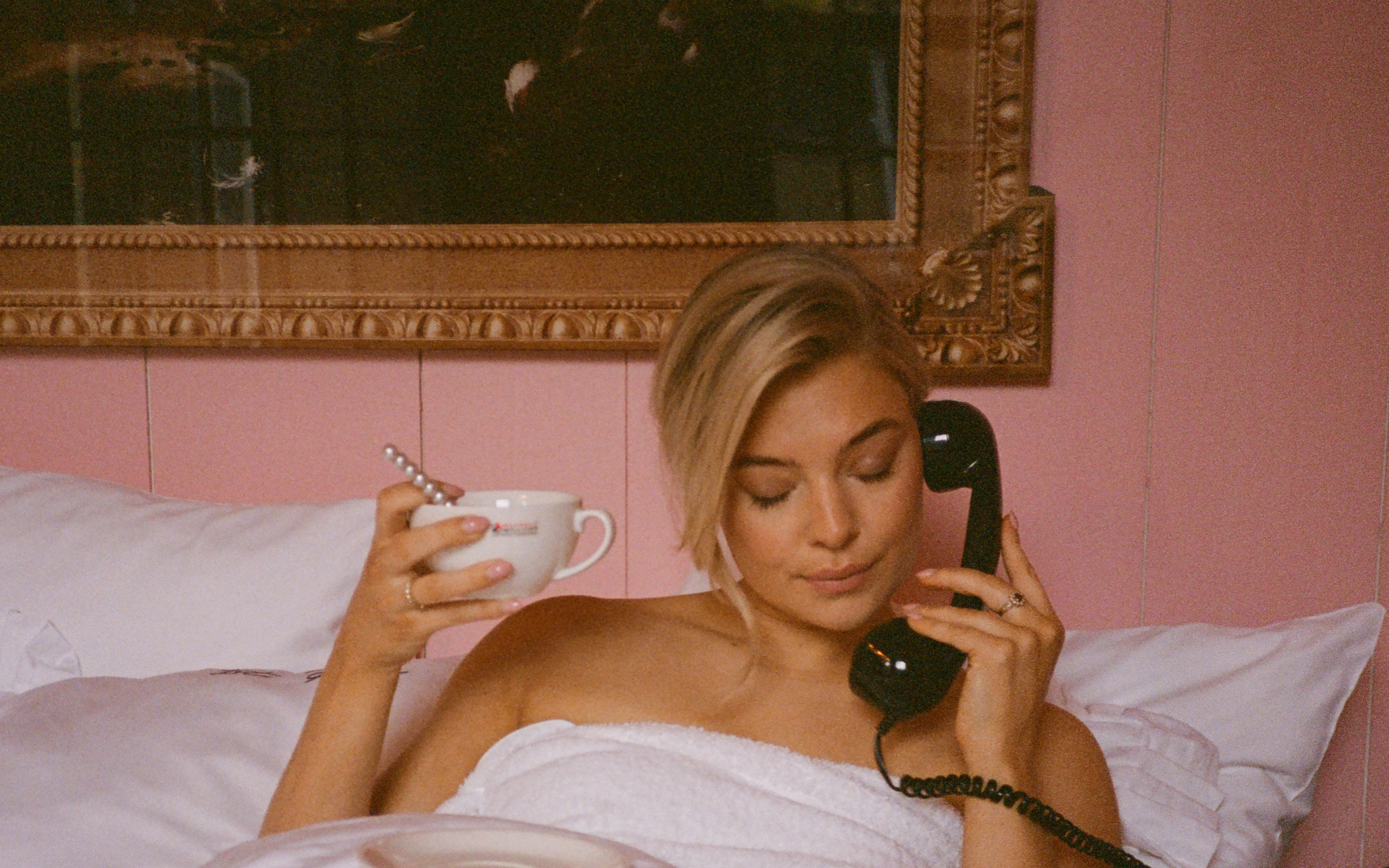
For me, coffee is almost as much about the moment around it as the coffee itself. I usually go for a cappuccino, preferably somewhere where I can actually sit down and enjoy it while sitting in the sun. I love those small rituals during the day: a good coffee, a beautiful cup, something sweet next to it and a moment to catch up with someone or simply look around and take everything in. Amsterdam has so many lovely places for that, so coffee often becomAs an excuse to discover somewhere new as well. Presentation definitely matters to me too, which is probably the designer in me speaking. If the cup, tableware and spoon are beautiful, the entire experience somehow feels even better.